Welcome to DMSHQ!

Damascus: The Eternal City of Jasmine
2/8/20264 min read
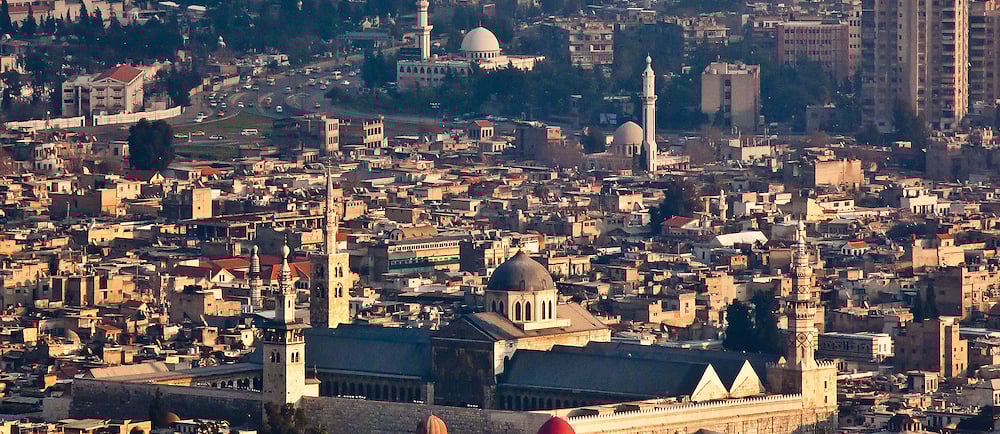
A Journey Through Time: The Longevity of Damascus
Damascus, renowned as the Eternal City of Jasmine, holds the prestigious title of one of the oldest continually inhabited cities in the world. With a history stretching back over 11,000 years, this ancient city has witnessed the rise and fall of numerous civilizations, each leaving an indelible mark on its cultural tapestry. Archaeological excavations in the area reveal layers of history, showcasing artifacts and structures that speak to the endurance of human life in this region.
Throughout its extensive past, Damascus has been a focal point of trade, religion, and politics. The city has been ruled by various empires, including the Arameans, Romans, Umayyads, and Ottomans. Each of these powers enriched the city’s complex narrative, contributing unique elements to its architectural and cultural heritage. For instance, the Umayyad Mosque, built in the 8th century, is an exemplary structure that reflects Islamic architecture while incorporating ancient Roman and Byzantine influences. Such a blend illustrates how the intermingling of different cultures has shaped Damascus’s identity over millennia.
The strategic location of Damascus has also played a critical role in its longevity. By serving as a vital gateway between the East and West, it has fostered a rich exchange of ideas, goods, and traditions. This crossroads position not only enhanced its economic prosperity but also made it a melting pot of cultural influences. As a result, the legacy of Damascus is a rich mosaic of traditions, making it an invaluable repository of human civilization.
The survival of Damascus over thousands of years offers a profound insight into the resilience of urban life. It stands as a testament to the human spirit's adaptability amidst changing political landscapes and cultural evolution. The past of Damascus continues to echo through its vibrant streets, historic monuments, and the enduring legacy of its inhabitants.
Architectural Marvels: The Layers of Civilization
Damascus, known as the Eternal City of Jasmine, showcases a stunning array of architectural marvels that narrate the tale of its long and complex history. The city is adorned with structures that date back to ancient Roman times, where remnants of cobbled streets provide insights into the urban planning and the vibrant life of this historic metropolis. Walking through these streets, one can almost imagine the bustling marketplaces and the everyday lives of citizens in ancient eras.
Transitioning through the layers of civilization, one can also observe the impressive Byzantine arches that punctuate several structures. These arches exemplify the influence of Byzantine architecture on the region, revealing a blend of artistic styles that defines Damascus. The architectural beauty does not end there; the city is also home to the magnificent Umayyad Mosque, an exemplary representation of Islamic architecture. This grand mosque, originally a Roman temple, portrays the Islamic golden age's reverence for both spiritual and architectural grandeur.
Moreover, significant historical figures have left their indelible marks on the architectural landscape of Damascus. Alexander the Great, for instance, sought to establish his legacy here, while the revered Saladin, known for his leadership during the Crusades, also contributed to the city's architectural heritage. Their legacies remind us of the cultural melange that Damascus embodies, as various civilizations have coexisted peacefully over centuries.
As visitors explore the intricacies of these structures, each building stands as a testament to the rich historical narrative of Damascus. The layers of civilization, reflected in these architectural wonders, speak volumes about the city's resilience and its ability to adapt while honoring its past.
The Heartbeat of the City: Culture and Everyday Life
Damascus, often referred to as the Eternal City of Jasmine, exemplifies a rich tapestry of cultural experiences that captivate both locals and visitors alike. As one wanders through its ancient streets, the intoxicating aroma of jasmine blossoms mingles with the scent of spices wafting from the nearby souqs. These bustling markets pulse with vitality, showcasing vibrant textiles, intricate handicrafts, and age-old culinary traditions that reflect the city's deep-seated heritage.
The sounds of daily life in Damascus create a unique symphony; the lively exchanges of merchants, the calls to prayer resonating from historic mosques, and the laughter of children playing in the narrow alleyways highlight the essence of Damascene life. Amidst the stark contrasts of urban bustle and tranquil courtyards, one can also discern the resilience of the city’s culture. Historical events, including conflicts and political unrest, have tested the fabric of Damascene society, yet the spirit of its people remains unyielded.
Traditions that have been nurtured for centuries continue to thrive, finding ways to adapt to modernity while maintaining their core values. Art forms such as storytelling, traditional music, and dance still play an active role in the social and cultural lives of Damascenes. The resilience and adaptability of their culture serve as a testament to the enduring spirit of a people deeply rooted in their past, while simultaneously embracing the future.
For the residents of Damascus, culture is not merely an abstract concept; it permeates every facet of daily life, reflecting their identity and fostering a sense of community. Visitors often remark on the hospitality of Damascenes who, despite facing numerous challenges, open their hearts and homes to share their rich cultural heritage. This profound sense of belonging fuels the heartbeat of Damascus, solidifying its status as a vibrant symbol of perseverance and unity.
Damascus: A Symbol of Resilience and Continuity
The rich tapestry of Damascus's history has woven resilience into the very fabric of its identity. Known as the "City of Jasmine," Damascus has endured a myriad of challenges across millennia, from the rise and fall of empires to modern conflicts. Yet, the city continues to flourish, embodying a spirit that reflects eternal beauty and a perpetual will to thrive despite adversity.
From its early days as a pivotal trade hub to its current status as a cultural beacon, Damascus has remained a testament to survival and continuity. Each era has left its mark on the city, contributing to its diverse architectural styles and vibrant cultural landscape. The influence of various civilizations, including the Romans, Byzantines, and Ottomans, has enriched its heritage, showcasing the ability of Damascus to adapt and incorporate new cultural elements while retaining its unique character.
Moreover, the symbolism of jasmine—a flower deeply associated with the city—serves as a powerful metaphor for resilience. Jasmine, known for its delicate fragrance and beauty, has thrived in the harshest conditions, mirroring the enduring spirit of Damascus’s inhabitants. The city’s capacity to nurture and protect its cultural treasures, even during turbulent times, underscores its role as a guardian of history and tradition.
The continuity demonstrated by Damascus, irrespective of the historical upheavals it has faced, reflects an unwavering sense of belonging and identity among its people. This persistence manifests in the city's vibrant markets, hospitable neighborhoods, and the rich array of artistic expressions that celebrate its storied past. Each resurgence of Damascus serves as an affirmation of its resilience, reinforcing its title as the Eternal City.